Ceramic hobs are a great choice for anyone looking to cook with style and convenience. They heat up quickly and offer a smooth surface that's easy to clean, making meal prep a breeze. Plus, their sleek design can really elevate your kitchen’s look while providing reliable performance for everyday cooking.
Ceramic Hobs
Discover the perfect blend of style and performance with our premium selection of ceramic hobs for your kitchen
Product List
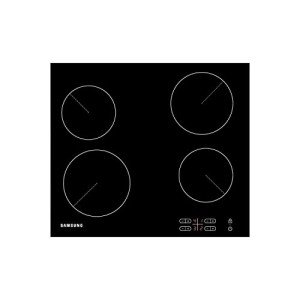
Samsung Black Ceramic Cooktop
Samsung
Product Review Score
4.23 out of 5 stars
46 reviews£299.00 £199.00
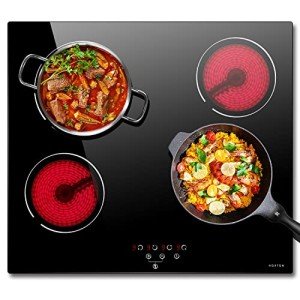
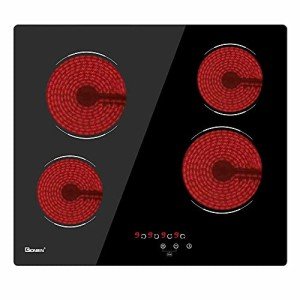
GIONIEN 60cm Black Electric Cooktop
Gionien
Product Review Score
4.13 out of 5 stars
25 reviews£99.99
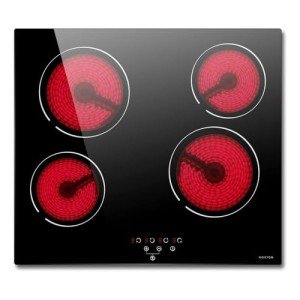
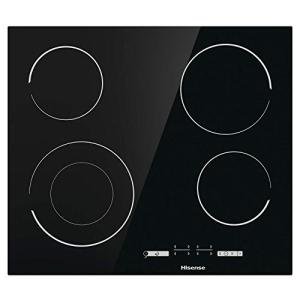
Hisense 60cm Ceramic Hob
Hisense
Product Review Score
4.73 out of 5 stars
114 reviews£159.00 £122.56
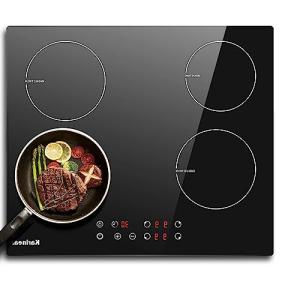
Karinear 60cm Ceramic Cooktop
Karinear
Product Review Score
4.91 out of 5 stars
90 reviews£139.99 £105.99
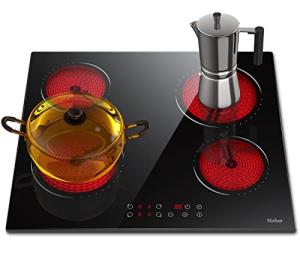
Hobsir 60cm Ceramic Hob
Hobsir Hob
Product Review Score
4.45 out of 5 stars
125 reviews£129.99 £92.99

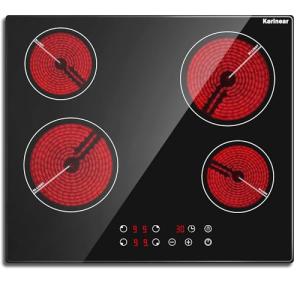
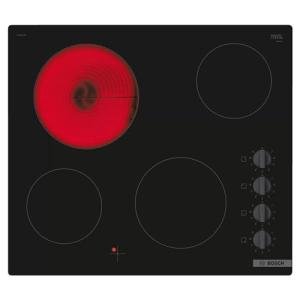
Bosch 60cm Black Electric Hob
Bosch
Product Review Score
4.24 out of 5 stars
222 reviews£249.00 £223.00
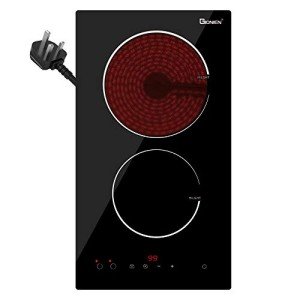
GIONIEN 30cm Electric Hob
Gionien
Product Review Score
4.56 out of 5 stars
146 reviews£89.99 £76.49
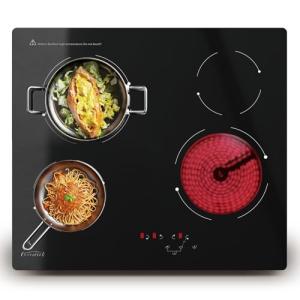
COVERCOOK 60cm Ceramic Hob
Covercook
Product Review Score
4.4 out of 5 stars
47 reviews£119.99 £94.04
When it comes to modern kitchens, ceramic hobs are becoming a popular choice for many homeowners. Their sleek design, ease of cleaning, and efficient heating make them a stylish yet practical addition to any cooking space. But what exactly are ceramic hobs, how do they work, and are they right for every household? This comprehensive guide explores the functionality, advantages, disadvantages, and essential considerations before purchasing a ceramic hob.
What is a Ceramic Hob?
A ceramic hob is a type of electric cooktop that features a smooth, glass-ceramic surface. Beneath this surface are heating elements (usually radiant or halogen) that heat up to warm the cooking zone. Unlike gas hobs, ceramic hobs don’t use open flames, and unlike induction hobs, they don’t require special cookware.
Heat is transferred directly through the ceramic glass to the base of pots and pans, providing quick and consistent cooking performance.
How Do Ceramic Hobs Work?
Ceramic hobs operate by transmitting heat through radiant heating elements located under the glass surface:
- Electric current powers the heating element beneath the surface.
- The ceramic glass conducts heat to the pan.
- The cooking zone glows red when in use, allowing the user to see which hob is active.
- Once switched off, residual heat remains for a while, which can be used to keep food warm.
Advantages of Ceramic Hobs
Ceramic hobs come with several benefits, including:
- Sleek design: The flat, shiny surface blends seamlessly with modern kitchen décor.
- Easy to clean: Spills can be wiped away quickly once the hob cools down.
- Affordable: Generally less expensive than induction hobs.
- Flexible cookware use: Compatible with most pan types, provided the base is flat.
- Residual heat indicators: Warn users that the surface is still hot.
Disadvantages of Ceramic Hobs
Despite their many positives, ceramic hobs also have some drawbacks:
- Slower heating compared to induction: Although faster than some older electric cookers, they are not as efficient as induction hobs.
- Heat control: Not as precise as gas or induction.
- Surface scratches: The ceramic glass can scratch if pans are dragged across it.
- Safety risk: The surface remains hot after use, unlike induction hobs, which cool down quickly.
Comparison Table: Ceramic Hobs vs Other Hob Types
| Feature | Ceramic Hob | Induction Hob | Gas Hob |
|---|---|---|---|
| Heating Method | Electric radiant elements | Electromagnetic induction | Open flame |
| Cookware Required | Any flat-bottomed pan | Magnetic cookware only | Any type |
| Heating Speed | Moderate | Very fast | Fast |
| Heat Control | Fair, but less precise | Very precise | Very precise |
| Safety | Hot surface after cooking | Surface stays cool (except pan) | Open flame risk |
| Ease of Cleaning | Easy, flat glass surface | Easy, flat glass surface | More difficult (grates, burners) |
| Cost | Moderate | Higher | Moderate to low |
Things to Consider Before Buying a Ceramic Hob
When evaluating whether a ceramic hob is right for your kitchen, several factors should be taken into account:
1. Kitchen Usage
If cooking is occasional and style matters, ceramic hobs are a great match. For those who require precision and speed, induction or gas may be better.
2. Budget
Ceramic hobs are relatively affordable compared to induction options, making them suitable for those on a mid-range budget.
3. Cookware Compatibility
Most existing pots and pans will work with a ceramic hob. Just ensure the base is flat for even heating.
4. Cleaning and Maintenance
Although easy to wipe clean, regular maintenance is needed to prevent scratches and staining from burnt-on food.
Tips for Using and Maintaining Ceramic Hobs
- Always use flat-bottomed pans for best heat transfer.
- Avoid dragging pans across the glass to prevent scratches.
- Clean spills promptly once the hob has cooled down.
- Use cleaning solutions designed specifically for ceramic glass.
- Take advantage of residual heat to keep food warm or for gentle simmering.
Popular Features Found in Ceramic Hobs
Today’s ceramic hobs often come with advanced features that improve both convenience and safety. Some of the most common include:
- Residual heat indicators: Lights that remain on until the hob cools.
- Touch controls: Sleek, buttonless operation.
- Safety lock: Prevents accidental activation by children.
- Timer function: Automatically switches off cooking zones after a set time.
- Multiple cooking zones: Some models feature dual or extended zones to accommodate larger cookware.
Buyer’s Checklist: Choosing the Right Ceramic Hob
When selecting a ceramic hob, here’s what to keep in mind:
- Size and number of zones – Standard units have four zones, but compact two-zone or larger five-zone hobs are available.
- Control type – Choose between traditional dials or touch-sensitive controls for a more modern feel.
- Safety features – Ensure the hob includes residual heat indicators and a lock function.
- Power rating – Check the wattage for each cooking zone to ensure sufficient heating capabilities for your needs.
- Ease of installation – Some hobs require professional installation, so factor in this cost.
FAQ: Ceramic Hobs
Q1: Are ceramic hobs expensive to run?
Ceramic hobs are reasonably efficient but slightly less so than induction hobs. Their running costs will depend on electricity rates and personal cooking habits.
Q2: Do ceramic hobs scratch easily?
Yes, the glass surface is prone to scratching if heavy pans are dragged across it. Using cookware with smooth, flat bottoms helps minimize wear.
Q3: Can any pan be used on ceramic hobs?
Most pans work fine as long as they have a flat bottom. Cast iron and some uneven-based pans may not perform well.
Q4: Do they cool down immediately after use?
No. Ceramic hobs retain residual heat for several minutes after being switched off, which can be a hazard but also useful for keeping food warm.
Q5: How do ceramic hobs compare to induction?
Ceramic hobs are generally more affordable and work with most cookware, but induction offers faster heating, better efficiency, and higher safety.
Final Thoughts
Ceramic hobs combine modern aesthetics with functionality, making them an attractive choice for many kitchens. They are easy to clean, complement different interior styles, and are compatible with most cookware, which makes them practical for everyday use. While they don’t provide the ultimate precision of induction or the immediate control of gas, they strike a balance between performance and affordability.
For households that value style, convenience, and straightforward cooking, a ceramic hob can be the ideal solution. However, those who prefer lightning-fast heat and advanced energy efficiency may lean toward induction options instead.